
Kanagawa offers convenient access to Tokyo alongside a diverse range of property markets, from international urban centres and established residential neighbourhoods to coastal homes and mountain retreats. For buyers based in Singapore, the prefecture provides a broad range of residential and investment options within easy reach of the capital.
The figures below are based on Hatomark Site market data available as of 5 June 2026. Sale prices represent average condominium asking prices per square metre, while rental figures show average monthly asking rents, with the number of listings indicated in parentheses.
The data provided does not include a prefecture-wide average, so the table presents the five areas with the highest average asking prices. As the sale-price and rental data do not relate to the same individual properties, the figures should be used as a general market reference rather than to calculate rental yields.
| Area | Average Price per m² | Studio / 1R | 1K / 1DK | 1LDK / 2K / 2DK | 2LDK / 3K / 3DK | 3LDK / 4K / 4DK | 4LDK or Larger |
|---|---|---|---|---|---|---|---|
| Nakahara Ward, Kawasaki City | ¥847,400 | ¥72,900 (81) | ¥93,600 (212) | ¥133,600 (103) | ¥206,500 (69) | ¥232,600 (11) | ¥339,200 (3) |
| Kanagawa Ward, Yokohama City | ¥808,000 | ¥53,100 (85) | ¥53,300 (51) | ¥94,700 (34) | ¥181,200 (18) | ¥223,100 (10) | ¥178,400 (4) |
| Nishi Ward, Yokohama City | ¥807,000 | ¥58,300 (42) | ¥74,800 (27) | ¥136,900 (19) | ¥173,400 (15) | ¥251,400 (7) | ¥268,700 (3) |
| Naka Ward, Yokohama City | ¥771,300 | ¥57,100 (49) | ¥76,600 (37) | ¥112,700 (41) | ¥192,600 (21) | ¥186,700 (4) | ¥400,000 (0)* |
| Fujisawa City | ¥752,800 | ¥56,000 (17) | ¥56,500 (75) | ¥86,100 (77) | ¥123,900 (34) | ¥131,600 (19) | ¥199,100 (5) |
*The source reports no active listings in this category. The stated rental figure should therefore be treated with caution.
Source: Hatomark Site property price statistics for Kanagawa
https://www.hatomarksite.com/analytics/stat/sale/14/
Source: Hatomark Site rental statistics for Kanagawa
https://www.hatomarksite.com/analytics/stat/rent/14/
Kanagawa’s highest-priced condominium markets are concentrated around major railway hubs with convenient access to central Tokyo and Yokohama. Nakahara Ward, which includes Musashi-Kosugi, records the highest average asking price in the supplied data and also has the largest number of compact rental listings. Yokohama’s central wards show similarly high prices, supported by access to employment centres, transport links and waterfront amenities.
Fujisawa offers a lower average entry price than the four leading urban wards, while appealing to commuters and buyers interested in the Shonan coastal lifestyle. Investors should assess each property individually, taking into account potential gross yield, vacancy risk, management fees, repair reserve contributions and other ownership costs. A lower purchase price does not necessarily result in a stronger net return.
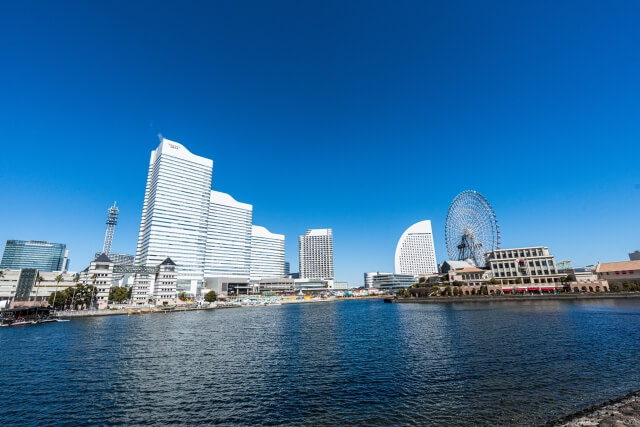
Yokohama appeals to owner-occupiers and investors who value urban convenience, an international atmosphere and sophisticated waterfront living. Minato Mirai offers landmark condominium towers close to offices, shops, hotels and cultural facilities, while Yamate is known for its historic residences, greenery and established prestige. Yokohama’s central wards also provide convenient rail access to Tokyo and access to a broad tenant market.
The investment outlook varies considerably by neighbourhood and building. Newer towers may offer stronger marketability and premium amenities, but they can also carry substantial management fees and repair reserve contributions. Older properties in central locations may offer a lower entry price, although seismic standards, major repair plans and future competing supply require careful review.
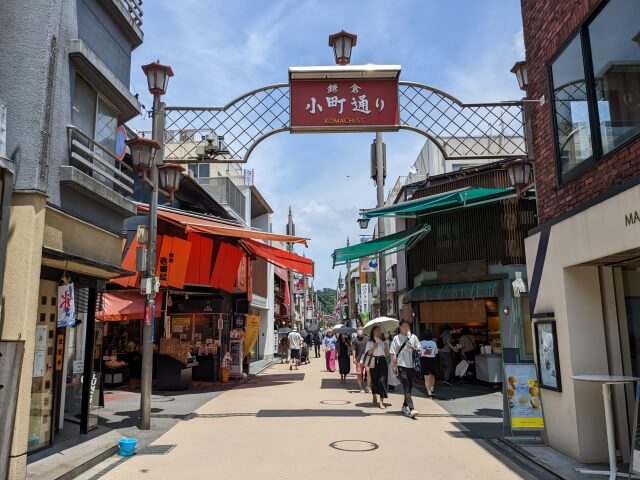
Kamakura appeals to affluent buyers seeking heritage, privacy and a strong connection to traditional Japan. Its temples, wooded hills and historic streets give the area a distinctive residential character that is difficult to replicate. Homes near central Kamakura, Kita-Kamakura or the coast may be suitable as prestigious primary residences or carefully managed second homes.
Scarcity and cultural value are important strengths, but due diligence must be specific to each property. Buyers should investigate accessibility, slope and flood risk, rebuilding restrictions, landscape regulations and the condition of older houses. Plans for holiday use also require confirmation of local regulations rather than an assumption that any residential property can be operated as short-term accommodation.
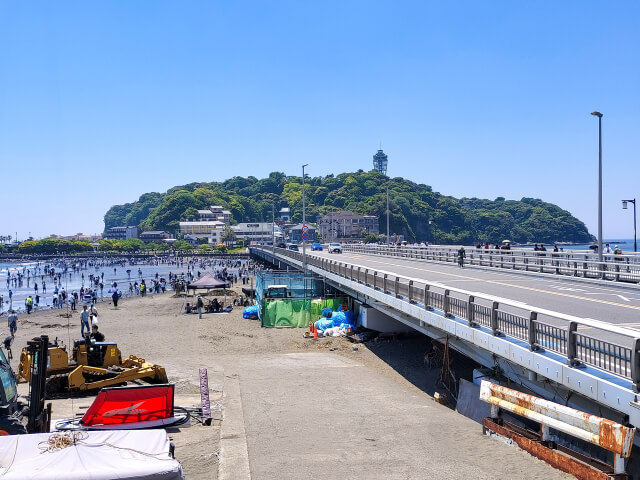
Fujisawa and Chigasaki attract buyers seeking beaches, surfing and a more relaxed coastal lifestyle without giving up access to Tokyo and Yokohama. The area may suit primary residences, second homes and longer-term rental properties aimed at commuters, families and lifestyle-oriented tenants. Enoshima and other popular seaside districts also have strong recognition among domestic buyers.
Micro-location plays a major role in both lifestyle appeal and long-term property performance. Walking distance to a railway station or the coast can support demand, but buyers should assess exposure to sea air, salt damage, flood and tsunami risk, insurance requirements and maintenance costs. For investment properties, year-round residential demand is generally more dependable than a strategy based solely on seasonal visitors.
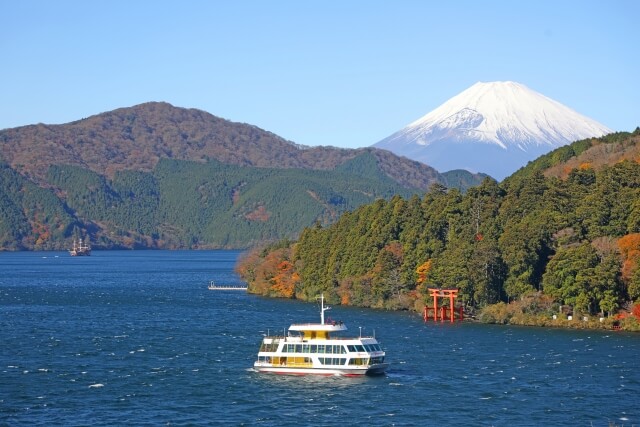
Hakone is one of Kanagawa’s leading mountain and onsen destinations, appealing to buyers seeking a luxury villa, private spa setting or views of Mount Fuji. Its international tourism profile may support demand for high-end second homes and hospitality-related properties. Properties offering attractive scenery, privacy, clearly documented hot-spring rights and professional upkeep may be particularly distinctive.
Property in Hakone should be evaluated as an operational asset as well as a real estate investment. Mountain weather, steep sites, accessibility, hot-spring fees, ageing infrastructure and specialist maintenance can materially affect costs and returns. Any vacation-rental or lodging plan requires a property-specific review of zoning, condominium regulations, fire-safety requirements and licensing before purchase.
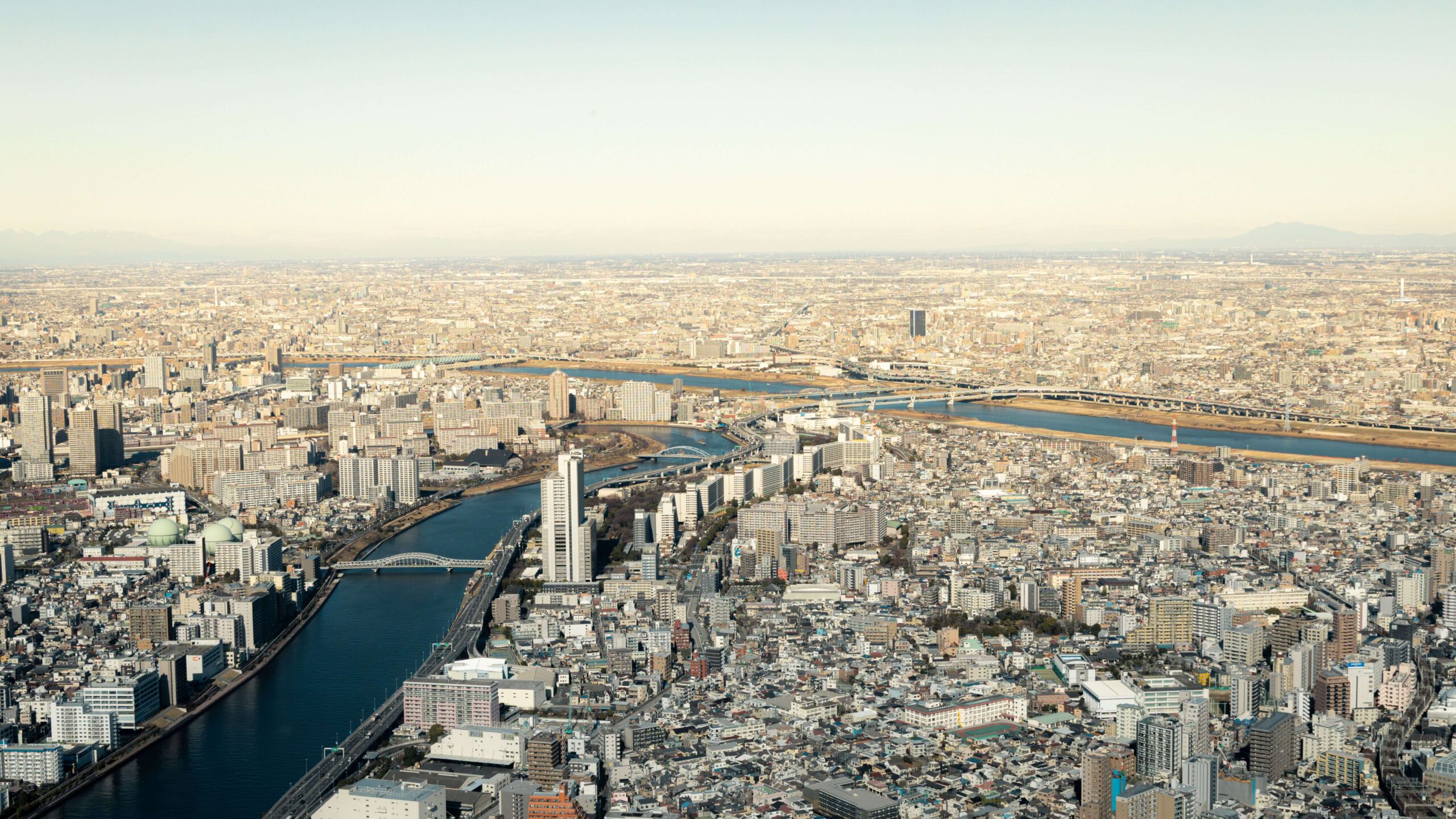
Kawasaki, particularly Musashi-Kosugi in Nakahara Ward, is a practical option for investors focused on connectivity and stable tenant demand. Multiple railway lines provide access to major employment centres in Tokyo and Yokohama, while modern condominium towers, retail facilities and public amenities support convenient daily living. Compact units may appeal to professionals, couples and smaller households.
Strong tenant demand does not eliminate concentration risk. Investors should compare competing tower supply, management fees, repair reserve contributions and each building’s long-term maintenance plan. Proximity to the station can support marketability, but high acquisition prices may compress net yields. Flood-risk information and building-level resilience should also form part of the due diligence process.
Kanagawa’s 2026 official land price survey recorded a fifth consecutive annual increase in residential land prices, with the prefectural average rising by 3.4%. Commercial land prices increased by 7.3%. This momentum cannot be attributed to low borrowing costs alone: the Bank of Japan’s policy rate reached approximately 1.0% in June 2026, making financing costs an increasingly important consideration. Demand around major railway stations, limited prime supply, redevelopment and higher construction costs continue to support selected locations.
Growth in property prices does not guarantee comparable growth in rents. Central Yokohama and Musashi-Kosugi have substantial tenant markets, but high acquisition prices and building-related charges can compress net yields. Each unit should be assessed using achievable rent, realistic vacancy assumptions, management fees, taxes, insurance and repair reserve contributions rather than prefecture-wide price appreciation alone.
Source: Kanagawa Prefecture 2026 Official Land Price Survey
https://www.pref.kanagawa.jp/docs/h4k/prs/r6098505.html
Source: Bank of Japan monetary policy information
https://www.boj.or.jp/en/
Preliminary results from the 2025 census put Kanagawa’s population at 9,193,657, a decrease of 0.5% from 2020, while the number of households rose by 3.0% to a record 4,348,580. Separate age data recorded 1,003,372 children aged 0–14 as of January 2025, a year-on-year decline of 23,127. These trends may support demand for well-located compact homes and senior-friendly housing, while also cautioning against assuming consistent demand from families across the prefecture.
Growth is highly localised. Fujisawa, Nakahara Ward and Kanagawa Ward recorded population increases, while many other municipalities experienced declines. Investors should consider household formation and access to employment rather than relying solely on the prefecture’s total population. Yokohama and Kawasaki retain significant concentrations of employment and business activity, supporting commuter demand around well-connected railway stations.
Source: Kanagawa Prefecture preliminary 2025 census results
https://www.pref.kanagawa.jp/docs/x6z/prs/r7256681.html
Source: Kanagawa Prefecture population statistics by age
https://www.pref.kanagawa.jp/docs/x6z/tc30/jinko/nenreibetu.html
Source: Kanagawa Prefecture Statistical Yearbook 2025
https://www.pref.kanagawa.jp/docs/x6z/tc10/yoran.html
Redevelopment is continuing along Yokohama’s waterfront and in Kannai, including BASEGATE Yokohama Kannai and projects scheduled toward 2027 in Minato Mirai. Development around Shin-Tsunashima is extending beyond its new railway connection, while Hashimoto has a longer-term catalyst in the planned Linear Chuo Shinkansen station and surrounding land readjustment projects.
Infrastructure investment creates opportunity only when the purchase price adequately reflects execution risk. Investors should review expected completion dates, future residential supply, pedestrian access and the likely tenant profile. Established prime areas may offer stronger liquidity, while emerging locations may provide greater upside potential but require a longer holding period and more conservative exit assumptions.
Source: L Real Estate review of Kanagawa redevelopment
https://leading-co.com/blog/再開発-2/神奈川再開発で勝つための不動産選び!実需と資/
Source: Kenbiya regional redevelopment report
https://www.kenbiya.com/ar/ns/region/shutoken/9919.html
Singapore citizens generally do not need Japanese residency to purchase land or buildings in Japan. Non-resident buyers will typically need to provide a passport, proof of their overseas address, and documents verifying their identity and signature, which may need to be notarised in Singapore. A Japanese judicial scrivener handles the ownership registration, while the real estate agent usually coordinates due diligence, the explanation of important matters, contract procedures, the deposit, settlement and handover.
Eligibility to own property does not remove reporting or compliance obligations. Depending on the buyer, property and intended use, post-transaction reporting under Japan’s foreign-exchange regulations may be required. Buyers should also confirm beneficial-owner verification requirements, remittance documentation and whether they need to appoint a Japanese tax representative. A bilingual explanation of the important matters and sale and purchase agreement is essential, as the Japanese-language documents govern the transaction.
In addition to the purchase price, buyers should budget for brokerage fees, stamp duty, registration and licence tax, judicial scrivener fees, real estate acquisition tax and prorated property-related charges. A broad planning allowance of approximately 6%–10% of the purchase price is often used, although the actual amount will depend on the property, its assessed value and the financing structure.
After completion, owners may be responsible for annual fixed asset tax and city planning tax, as well as condominium management fees and repair reserve contributions. Owners who receive rental income must also consider Japanese income tax filings, applicable withholding procedures and professional service fees. Request a transaction-specific cost breakdown before signing, including recurring ownership costs and a potential exit scenario, rather than comparing properties solely on their purchase prices.
For many non-resident buyers, a cash purchase remains the most straightforward option. Obtaining a Japanese mortgage can be difficult without Japanese residency, locally earned income or an established domestic banking relationship. However, selected banks, specialist lenders and private banks may consider applications from overseas clients. Financing arranged in Singapore and secured against other assets may provide another option, but it introduces additional interest-rate, collateral and currency risks.
Obtain indicative financing terms before submitting an offer. Compare the loan-to-value ratio, total borrowing cost, fees, currency denomination, early-repayment conditions and the lender’s property eligibility criteria. A corporate or special-purpose company structure may be relevant in limited circumstances, but it introduces additional legal, accounting and tax complexity. Such structures should be considered only with appropriate professional advice, rather than used as a standard workaround.
Read the Complete Guide to
Buying Property in Japan
from Singapore
A desirable address cannot compensate for poor property management. For an owner based in Singapore, a capable property manager helps maintain occupancy, collect rent, manage renewals and arrears, coordinate repairs and provide clear reporting. The manager should also understand the tenant profile of each local market, from compact commuter units in Musashi-Kosugi to luxury homes and second-home properties in Kamakura and Hakone.
Request a written management plan before purchasing the property. The plan should cover the target rent, expected leasing period, management fees, emergency response procedures, inspection frequency, contractor oversight and communication in English. For condominiums, the agent should also review owners’ association meeting minutes, repair reserves and planned major works. For villas and holiday properties, buyers should confirm responsibility for cleaning, landscaping, utilities, security and regulatory compliance.
Model the investment using effective income after accounting for vacancy, management fees, repairs, taxes, insurance and building-related charges. Owners should also maintain reserves for equipment failures and interior replacement. Renovations should reflect demonstrated tenant preferences, such as practical layouts, modern kitchens, reliable internet access and energy efficiency, rather than the owner’s personal taste alone.
Regular rent reviews and preventive maintenance may create more dependable value than relying on speculative capital gains. The property manager should report on enquiries, competing listings, lease renewals and maintenance trends. This information allows owners to make timely pricing and improvement decisions and helps reduce the risk of extended vacancies, emergency repair costs and deterioration that may weaken resale value.
A property in Kanagawa is purchased and generates rental income in Japanese yen, while a Singapore-based investor may measure wealth and cash flow in Singapore dollars. If the yen weakens, the property’s value and rental income may fall when converted into Singapore dollars, even if its yen value and occupancy remain stable. A stronger yen may have the opposite effect.
Currency exposure should be treated as a separate investment risk. Where practical, match yen-denominated income with yen-denominated expenses, maintain adequate cash reserves in Japan and test projected returns under several exchange-rate scenarios. Investors should avoid relying on a single currency forecast or using excessive leverage. A property that generates sustainable income in its local currency and can be held through an unfavourable exchange-rate cycle may provide greater resilience.
Before appointing an agency, confirm that it can provide the following six forms of support:
Ask who will remain responsible after settlement. A reliable agency should disclose its fees, explain the key risks and present a realistic plan for acquisition, tax compliance, ongoing management and eventual resale—not simply introduce available properties.
We introduce recommended real estate services tailored to your goals—whether you're looking to invest, explore exclusive luxury properties, or find a comfortable home within your budget.
Use this guide to help you make the right choice in Japan’s real estate market.
Advertiser Disclosure:
We receive compensation from some of the companies listed below.This compensation may affect which companies are included and the order in which they appear.

From brokerage to management and valuation, they offer a wide range of real estate services.
Backed by Nomura Securities' network and insights, they enables investment-focused proposals that take into account both current returns and long-term growth potential.
Major metropolitan areas across Japan
(Tokyo 23 wards, Nagoya, Osaka, Kyoto, Kobe, Sapporo, Fukuoka, etc.)

The first and only partner in Japan (*1) of Forbes Global Properties, an international luxury platform that only allows membership to top real estate companies from each country.
They selectively introduce penthouses, resorts, and condominiums priced over USD 2 million.
Tokyo’s prime districts, top resort areas like Hakuba, Furano, and Niseko.

Real Estate Japan is one of the largest portal sites in Japan with property listings for foreigners (*2), where you can research desired real estate properties by preferred area, requirements, and features.
With diverse affordable housing options available, you can easily find a home that matches your needs.
Nationwide
(*1) Source: TonTon Forbes Global Properties (https://tonton-inc.com/news/notice/3865)
(*2) Source: realestatejapan (https://realestate.co.jp/en), as of May 29, 2025