
The table shows the five areas in Aichi Prefecture with the highest average sale price per square meter in the cited dataset as of October 5, 2026, together with average monthly rents by layout.
| Area | Average Sale Price per m² (Approx. per Tsubo) | Studio (1R) | 1K – 1DK | 1LDK – 2DK | 2LDK – 3DK | 3LDK or Larger |
|---|---|---|---|---|---|---|
| Nakamura Ward (Nagoya) | ¥668,100 (¥2,209,000) | ¥42,500 | ¥51,000 | ¥72,000 | ¥118,100 | ¥150,000 |
| Chikusa Ward (Nagoya) | ¥550,800 (¥1,821,000) | ¥39,400 | ¥49,700 | ¥74,400 | ¥91,500 | ¥155,700 |
| Naka Ward (Nagoya) | ¥547,400 (¥1,810,000) | ¥49,700 | ¥51,100 | ¥86,400 | ¥143,600 | ¥168,500 |
| Nishi Ward (Nagoya) | ¥498,900 (¥1,649,000) | ¥48,900 | ¥47,200 | ¥72,400 | ¥130,100 | ¥128,000 |
| Kita Ward (Nagoya) | ¥478,600 (¥1,582,000) | ¥37,300 | ¥39,300 | ¥41,100 | ¥79,400 | ¥86,300 |
Property prices and rents in the selected data are concentrated in central Nagoya.
Among the five areas shown, Nakamura Ward has the highest average sale price per square meter. Nagoya Station's concentration of offices, retail facilities, transport links, and redevelopment helps explain the area's appeal. Naka Ward has the highest monthly rents in several layouts shown in the table, while Chikusa Ward includes established residential neighborhoods and a wider range of family housing.
Nishi and Kita wards have lower average sale prices per square meter than the other areas in this table while retaining access to central Nagoya. Buyers should compare station access, building age, management fees, and actual rents before estimating a property's yield.
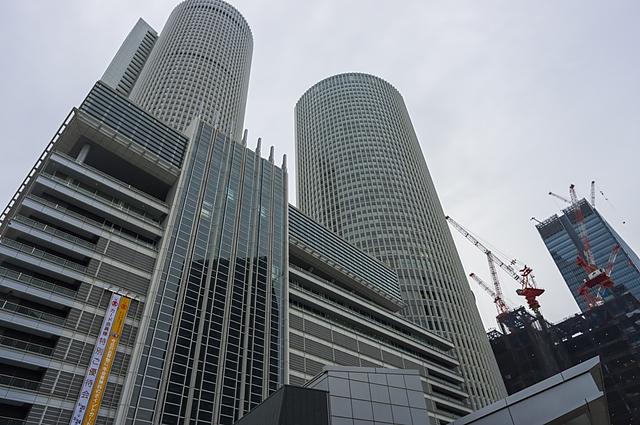
Central Nagoya—including Meieki, Sakae, Fushimi, and Marunouchi—concentrates offices, retail facilities, hotels, and major transport links. Nagoya Station is a key regional hub, and redevelopment projects continue in parts of the city center. Apartment buyers often focus on walking distance to a station, building age, management arrangements, and unit size. Rental demand and resale conditions vary by property, so recent transaction and rent data should be reviewed rather than assuming stable occupancy or liquidity.
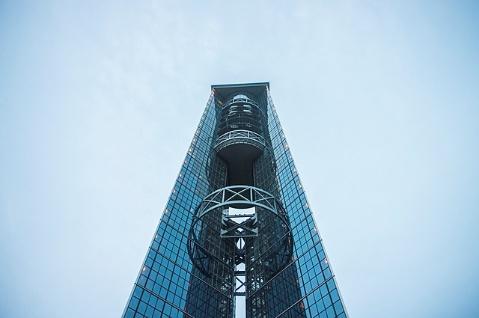
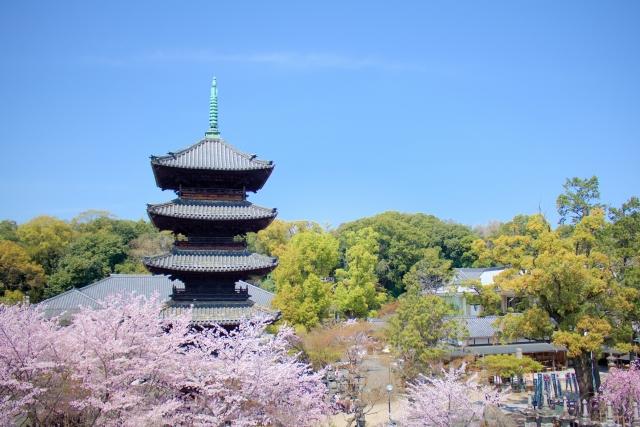
Kakuozan and Higashiyama are established residential areas in Chikusa Ward along the Higashiyama subway line. The area includes Nittaiji Temple, local shopping streets, parks, and educational facilities, with direct rail access toward Sakae and Nagoya Station. Buyers seeking a residential setting close to central Nagoya may consider these neighborhoods. Property comparisons should include walking time to the station, building management, topography, unit size, and recent transaction prices.
Yagoto and Nanzan are established residential areas known for detached homes, low-rise housing, greenery, and access to universities and medical facilities. They may suit buyers looking for a quieter setting or a larger home than is typically available in central Nagoya. Before purchasing, buyers should compare planning restrictions, land and building condition, transport access, and ongoing maintenance requirements.
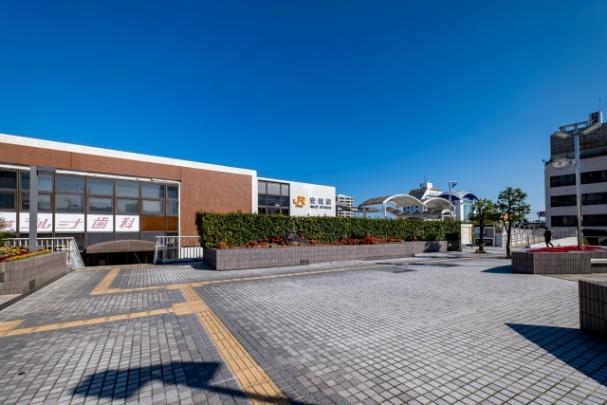
Toyota, Kariya, and Anjo are employment centers in West Mikawa, where the automotive industry and its supply chain have a significant presence. Local housing needs include apartments and family homes for people working in the region. Compared with central Nagoya, purchase prices may be lower in some locations, but conditions vary by city and property. Investors should review population trends, access to stations and major roads, employer concentration, achieved rents, and vacancy data before purchasing.
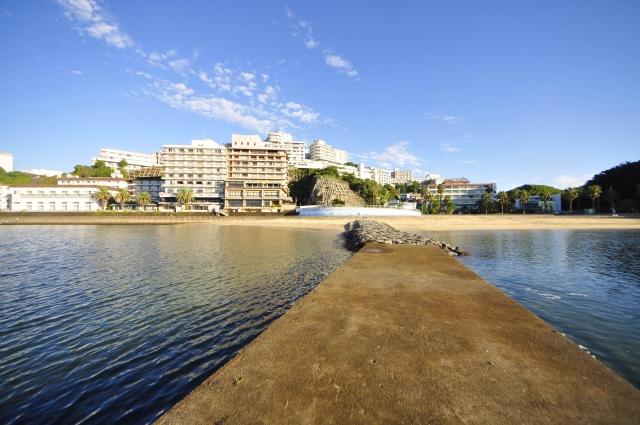
Gamagori and the Mikawa Bay area offer coastal scenery, hot springs, marinas, and second-home options within Aichi. Buyers considering a holiday home or accommodation use should check transport access, exposure to salt and wind, renovation and management costs, resale demand, and the rules that apply to short-term accommodation. Tourism does not by itself guarantee rental income, and demand may be narrower than in central Nagoya.
The cited 2026 MLIT land-price materials indicate changes in assessed land prices across Aichi, but they do not by themselves establish rental yields or the cause of price movements. Buyers should compare current transaction prices and rents at property level, then account for vacancy, management fees, taxes, repairs, and financing costs when estimating returns.
Central Nagoya is the prefecture's main office market and attracts workers and students from across the region. However, population trends and rental demand differ by municipality, ward, and property type. Buyers should review recent population, employment, vacancy, and rent data for the specific area rather than treating Aichi as a single market.
Redevelopment around Nagoya Station and Sakae may affect accessibility, commercial activity, and the supply of nearby properties. These projects do not guarantee capital appreciation or resale liquidity. Buyers should confirm project schedules, locations, and the likely effect on a specific property before relying on redevelopment in an investment decision.
For more information about the purchase process, see the following guide.
Guide to Buying Property in Japan
for Singapore-Based Buyers
International buyers should confirm which services an agency provides directly and which require independent legal, tax, or financing professionals. Useful points to check include:
We introduce recommended real estate services tailored to your goals—whether you're looking to invest, explore exclusive luxury properties, or find a comfortable home within your budget.
Use this guide to help you make the right choice in Japan’s real estate market.
Advertiser Disclosure:
We receive compensation from some of the companies listed below.This compensation may affect which companies are included and the order in which they appear.

From brokerage to management and valuation, they offer a wide range of real estate services.
Backed by Nomura Securities' network and insights, they enables investment-focused proposals that take into account both current returns and long-term growth potential.
Major metropolitan areas across Japan
(Tokyo 23 wards, Nagoya, Osaka, Kyoto, Kobe, Sapporo, Fukuoka, etc.)

The first and only partner in Japan (*1) of Forbes Global Properties, an international luxury platform that only allows membership to top real estate companies from each country.
They selectively introduce penthouses, resorts, and condominiums priced over USD 2 million.
Tokyo’s prime districts, top resort areas like Hakuba, Furano, and Niseko.

Real Estate Japan is one of the largest portal sites in Japan with property listings for foreigners (*2), where you can research desired real estate properties by preferred area, requirements, and features.
With diverse affordable housing options available, you can easily find a home that matches your needs.
Nationwide
(*1) Source: TonTon Forbes Global Properties (https://tonton-inc.com/news/notice/3865)
(*2) Source: realestatejapan (https://realestate.co.jp/en), as of May 29, 2025