
The following figures are based on market data published by Hatomark Site as at 30 August 2026.
| Area | Average Price per m² | Studio / 1R | 1K / 1DK | 1LDK / 2K / 2DK | 2LDK / 3K / 3DK | 3LDK / 4K / 4DK | 4LDK or Larger |
|---|---|---|---|---|---|---|---|
| Kitanakagusuku Village | Approx. ¥780,500 | – | – | – | ¥240,000 | ¥63,000 | – |
| Chatan Town | Approx. ¥689,900 | – | – | ¥220,000 | – | ¥250,000 | – |
| Ishigaki City | Approx. ¥686,300 | ¥70,000 | – | ¥85,000 | ¥99,200 | ¥310,000 | ¥420,000 |
| Onna Village | Approx. ¥545,400 | – | – | ¥150,000 | – | – | – |
| Okinawa City | Approx. ¥532,500 | – | – | – | – | ¥96,700 | – |
Property demand in Okinawa varies significantly from one municipality to another. Central Okinawa locations such as Chatan and Kitanakagusuku benefit from access to employment centres, everyday services and international communities, while resort and island markets depend more heavily on tourism and second-home demand.
A higher purchase price does not necessarily translate into a stronger investment return. Buyers should assess achievable rent, expected vacancy, building age, management fees, repair reserves and resale liquidity at the individual property level before making an investment decision.
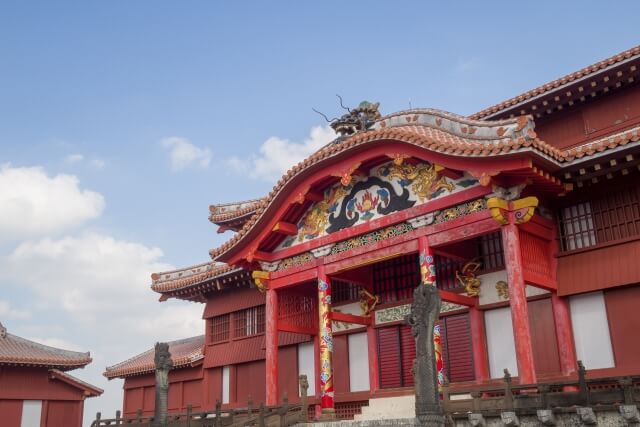
Naha is Okinawa's administrative and commercial centre, with convenient access to the airport, monorail, offices, retail and everyday services. Buyers focused on long-term rental demand may wish to look closely at properties near stations and established neighbourhood amenities.
Naha can also be a practical base for owners travelling from Singapore. However, both supply and tenant demand vary significantly by micro-location. Buyers should assess building management, walkability and access to nearby facilities rather than relying on the Naha name alone.
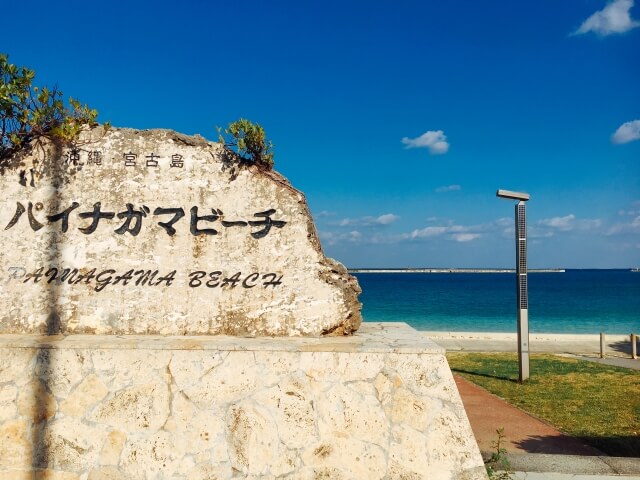
Miyako Island is known for its clear waters and resort appeal, with demand spanning holiday homes, hospitality and local housing. Property investment prospects are closely tied to tourism as well as housing demand from people working in the resort and hospitality sectors.
Investors should account carefully for seasonal demand and distinguish between a long-term rental strategy and an accommodation business. Construction, maintenance and logistics can cost more on remote islands, making conservative operating assumptions particularly important.
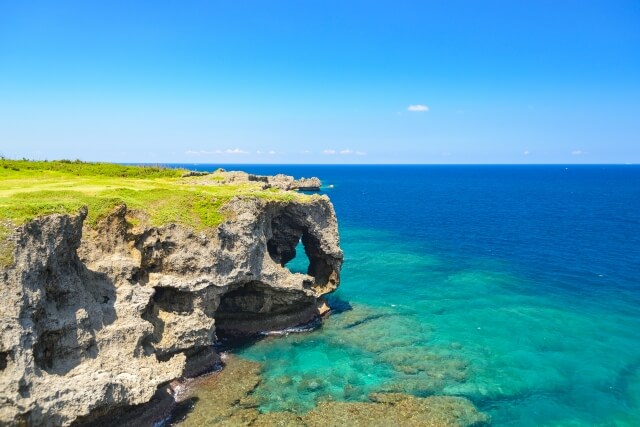
Onna Village is a well-known resort area on Okinawa's west coast, with beaches, hotels and demand for second homes. It may appeal to buyers seeking a lifestyle property that can also be managed professionally as an income-producing asset.
Buyers should not assume that a property can generate short-stay income without first checking the rules that apply to the intended use. Confirm zoning, condominium rules, private-lodging permissions, cleaning arrangements and local demand before purchasing a property for tourism-related use.
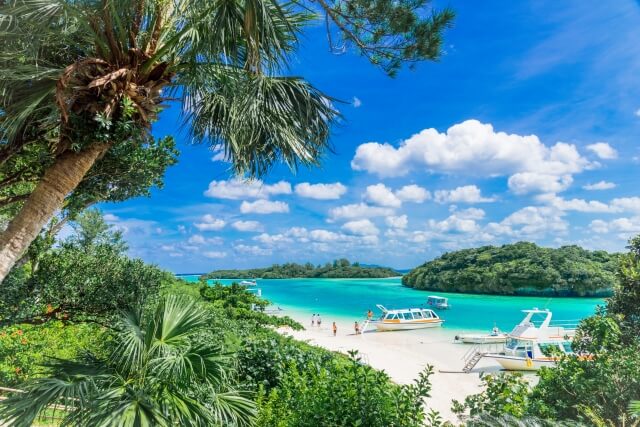
Ishigaki City serves as the main urban gateway to the Yaeyama Islands, supporting tourism, transport, retail and residential activity. Local rental data covers a broad range of layouts, including larger family homes, giving investors several potential tenant segments to consider.
However, the market is smaller and less liquid than Naha. Local commentary in 2026 indicates that land price growth has eased from the more rapid increases seen previously. Buyers should therefore plan for more normalised demand, higher construction costs and a narrower resale market.
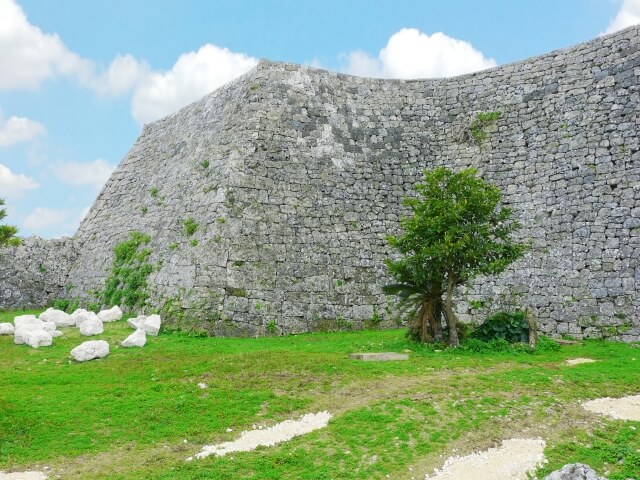
Kitanakagusuku Village sits in central Okinawa, with access to surrounding employment areas, retail and the wider urban corridor. The relatively high average sale price shown above makes property-level due diligence particularly important.
Buyers should review road access, topography, hazard information, building condition and the likely tenant profile before purchasing. For owners based in Singapore, working with a local property manager can make day-to-day management easier from overseas.
Rising land prices, tourism-related demand and distinct opportunities across urban and resort locations continue to make Okinawa a market for property investors to consider in 2026.
According to the Ministry of Land, Infrastructure, Transport and Tourism, Okinawa Prefecture recorded average land price increases of 7.3% for residential land and 7.0% for commercial land in 2026. Residential land prices have risen every year since 2020, with annual growth exceeding 5% for three consecutive years from 2024 to 2026.
Interest rates are only one factor influencing property prices. Tourism, resort development, migration, limited suitable land and higher construction costs can also affect values. Rent growth may support investment returns in selected locations, but rents do not always rise at the same pace as acquisition prices. Investors should therefore calculate net yield after allowing for vacancy, management fees, taxes, insurance and repair costs.
Okinawa is more than a holiday-home market. Naha and the central Okinawa urban corridor generate housing demand from households, employees, students and people working in service industries. Tourism-related employment also contributes to housing demand, although this segment may fluctuate more than conventional residential demand.
For family-oriented properties, access to schools, supermarkets, medical facilities, commuting routes and parking can strongly influence tenant demand. For compact apartments, proximity to workplaces, public transport and everyday amenities may matter more than resort appeal. Buyers should ask agents for evidence of local tenant demand and competing supply around each property.
New development can improve convenience and generate demand, but it may also increase future supply and create greater uncertainty around operating conditions. Local analysis published in 2026 points to notable activity in Miyakojima, Motobu and Ginowan, while also showing significant differences in market conditions across Chatan, Kitanakagusuku and Ishigaki.
Before committing to a purchase, buyers should verify the status and expected timetable of any development project mentioned in an investment proposal. They should also review land-use restrictions, potential future accommodation supply and the property's long-term rental prospects rather than relying solely on continued tourism growth.
Foreign nationals can generally acquire land and buildings in Japan. Buyers should prepare passport identification, address and tax-residency information, proof of funds and any documents required for anti-money-laundering checks. The transaction may require additional documents depending on the buyer's circumstances and whether they have an address in Japan.
A judicial scrivener typically handles the registration process, while the brokerage should explain the Important Matters document before the buyer signs the contract. Buyers should request a clear English explanation of material terms and confirm ownership, liens, boundaries, building compliance, management rules, repair plans and any restrictions on leasing or short stays.
In addition to the purchase price, buyers may need to budget for brokerage commission, registration and license tax, judicial scrivener fees, stamp duty, real estate acquisition tax, insurance and loan-related expenses. Ongoing costs may include fixed-asset tax, city-planning tax, management fees, repair reserves, maintenance costs and income-tax obligations.
Non-resident owners should consult a qualified adviser about withholding requirements, tax filing and whether they need to appoint a tax representative before completion. Buyers should also ask the agency for a written cash-flow schedule and have a qualified Japanese tax professional review the proposed ownership structure.
Cash may offer the simplest route for many overseas buyers, although financing may also be available through Japanese lenders, private banks or cross-border arrangements. Lending criteria for non-residents can differ significantly from those for Japanese residents, so buyers should not assume that a lender will approve a loan.
Discuss funding options before making an offer. Compare the loan currency, interest-rate structure, fees, repayment source and foreign-exchange exposure. If the purchase depends on financing, make sure the transaction timetable and any finance-related conditions are clearly addressed during the offer and contract process.
Guide to Buying Property in Japan
for Singaporeans
For an overseas owner, property management plays an important role in protecting the investment rather than simply providing after-sales support. A property manager may help assess achievable rent, market the property to prospective tenants, screen applicants, collect rent, manage renewals, arrange repairs and report on vacancies, arrears and expenditure.
Ask how often the manager inspects the property, how the team handles emergency decisions, which expenses require owner approval and how it measures leasing performance. A manager with experience in long-term apartments in Naha may not necessarily have the right expertise for a resort villa or accommodation business.
Maximising returns does not simply mean setting the highest possible asking rent. Investors also need to maintain occupancy, keep the property in good condition and reduce the risk of unexpected costs. Compare asking rents with similar properties, allow for vacancy and tenant turnover, and prioritise repairs that improve safety, durability and tenant appeal.
Okinawa's coastal environment also requires careful attention to insurance, weather exposure, corrosion and ongoing maintenance. Anyone considering holiday or short-stay use should confirm the applicable legal framework before purchasing. National regulations, local ordinances, zoning requirements and condominium bylaws may all affect how the property can operate.
Singapore-based buyers should assess potential returns in both Japanese yen and Singapore dollars. Exchange-rate movements can affect the SGD value of the property and its income when funds are converted, even if the property's value in yen remains stable or increases.
Buyers should also consider their exit strategy before acquisition, including the likely resale market, intended holding period, future renovation needs and documents a future purchaser may request. Keeping management statements, repair records, permits and tax records organised can help keep the property ready for a future sale.
Singapore-based investors evaluating local property agencies in Okinawa should consider whether each firm can provide the following types of support:
A suitable agency should explain its assumptions, disclose its fees and clearly define the scope of its services. For buyers managing an Okinawa property from Singapore, practical local support can be just as important as access to property listings.
We introduce recommended real estate services tailored to your goals—whether you're looking to invest, explore exclusive luxury properties, or find a comfortable home within your budget.
Use this guide to help you make the right choice in Japan’s real estate market.

From brokerage to management and valuation, they offer a wide range of real estate services.
Backed by Nomura Securities' network and insights, they enables investment-focused proposals that take into account both current returns and long-term growth potential.
Major metropolitan areas across Japan
(Tokyo 23 wards, Nagoya, Osaka, Kyoto, Kobe, Sapporo, Fukuoka, etc.)

The first and only partner in Japan (*1) of Forbes Global Properties, an international luxury platform that only allows membership to top real estate companies from each country.
They selectively introduce penthouses, resorts, and condominiums priced over USD 2 million.
Tokyo’s prime districts, top resort areas like Hakuba, Furano, and Niseko.

Real Estate Japan is one of the largest portal sites in Japan with property listings for foreigners (*2), where you can research desired real estate properties by preferred area, requirements, and features.
With diverse affordable housing options available, you can easily find a home that matches your needs.
Nationwide
(*1) Source: TonTon Forbes Global Properties (https://tonton-inc.com/news/notice/3865)
(*2) Source: realestatejapan (https://realestate.co.jp/en), as of May 29, 2025